

Posted on — Leave a comment

Fun and Effective Ways to Memorise Musical Terms: Grades 1–5

Fun and Effective Ways to Memorise Musical Terms: Grades 1–5

Have you ever learnt a musical term, felt sure you knew it, and then completely forgotten what it meant when you needed it?

Music theory involves quite a lot of vocabulary, particularly as you progress through the grades. Many of the terms are Italian, with French and German terminology appearing as you move further through the syllabus.

But learning musical terms does not have to mean memorising long lists of words and definitions.

One of the most effective ways to remember them is to turn them into pictures, characters, funny sentences or little stories.

The sillier the story, the more likely you are to remember it!


A Memory Trick I Still Remember from Childhood

When I was learning music theory as a child, I needed to remember:

meno mosso = less movement / slower

For some reason, I imagined men walking through moss.

Picture a group of men trying to walk through thick, sticky moss. They can hardly move their feet!

Men + moss = meno mosso.

Because they are struggling to get through the moss, they are moving less and therefore walking more slowly.

It is a wonderfully silly picture — but that is precisely why I still remember it.

And that is the point of a good memory trick. It does not have to be sensible or sophisticated. It just needs to create a picture that your brain can easily bring back.

Even after all these years, meno mosso makes me think of men walking through moss.

That childhood memory is a good example of how much easier musical terminology can become when you turn a word into a little story rather than simply trying to memorise its definition.


Some Musical Terms Almost Tell Their Own Story

Once you start looking for them, some musical terms lend themselves particularly well to funny pictures and little stories.

Musical term Meaning A silly way to remember it
meno mosso less movement / slower Imagine men walking through thick moss. They can hardly move their feet!
ma but “Ma says I MUST tidy my room, BUT…”
lento slowly Len’s toe hurts, so he has to walk slowly. Len’s toe → lento.
grazioso gracefully Imagine Grace dancing gracefully across a stage.
grave slow and solemn Imagine standing beside a grave, walking slowly and solemnly.
poco a little Meet Poco, a cute little character who only wants a little piece of cake.
poco a poco little by little / gradually Poco takes tiny steps, one at a time — little by little.
presto very fast Imagine Press Toe running so fast that his shoes are pressing his toes!
più more You are given a tiny piece of cake and shout “PIÙ! I want MORE!”
più mosso more movement / faster The men escape the moss and start moving much more quickly.
vivace lively / brisk Viv is so lively that she simply cannot sit still.
volante  flying / fast think of a high speed volleyball flying through the air, or the volt energy of electricity
estinto as soft as possible, lifeless Dinosaurs are extinct and completely silent
lunga long pause looks like long or lung. Take a huge breath into your lungs for a long pause.
smorzando getting softer, dying away smorzando → smorz.🕯️ “SMORZ = candle going out.”
ritenuto held back / slower Imagine Rita running, then someone shouting, “Rita! Hold back!”

A Fun Way to Learn Musical Terms

The All-in-One Music Theory books for Grades 1–5 include crosswords, anagrams, stories and other activities to help make musical terminology memorable.

“Crosswords, anagrams and stories using Italian and French words…the book is worth every penny just for this section alone.”

— Rhinegold Music Teacher Magazine
See more reviews


A Few More Musical Characters

Here are some more musical terms that can be turned into little characters or scenes. You may find that one of these gives you an idea for your own memory tricks.

Musical term Meaning A silly way to remember it
molto very / much Imagine Molly wanting a very large amount of something — “Molly wants lots!”
con with Con says, “Come with me!”
con moto with movement Imagine Con on a motorbike, zooming along with plenty of movement.
senza without Senza orders a pizza without cheese.
non troppo not too much Someone is filling your glass and you quickly say, “That’s enough — not too much!”
largo slowly Imagine a drunk person who has had “larger” walking very slowly.
andante at a moderate, walking pace Dan is walking down the street.
dolce sweetly Picture a cute, sweet little doll singing a soft lullaby.
largamente broad / slow Imagine Larry going large, stretching his arms as wide as possible.
allargando broadening and generally slowing Al stretches his arms wider and wider as he gradually slows down.
espressivo expressively Imagine Esme expressing herself dramatically through music.
alla marcia in the style of a march Ella marches along with a very serious expression.
dal segno from the sign Dale sees the sign and knows he needs to go back to it.

Some short musical words appear again and again in longer expressions. Once you know what these little words mean, they can give you useful clues when you meet a new term.

  • meno = less
  • più = more
  • con = with
  • senza = without
  • poco = little / a little

For example:

  • meno mosso = less movement
  • più mosso = more movement
  • con moto = with movement
  • poco a poco = little by little
  • non troppo = not too much

Learning these small building blocks can make longer musical expressions much easier to remember.


Use Opposites to Make Things Easier

Learning contrasting words together can be particularly helpful.

meno = less
più = more

These two little words are useful building blocks for remembering longer expressions. Once you know that meno means less and più means more, the difference between meno mosso and più mosso becomes much easier to remember.

One word tells you there is less movement; the other tells you there is more.


Make the Music Come Alive

Some terms are especially easy to remember if you turn them into actions.

  • largamente — stretch your arms out as wide as possible.
  • presto — move as quickly as you can.
  • vivace — bounce around and refuse to sit still.
  • ritenuto — pretend to run, then suddenly hold yourself back.
  • allargando — gradually make your movements wider and slower.
  • poco a poco — take tiny steps, one at a time.
  • alla marcia — march around the room.

You could even ask someone to call out the musical terms while you act them out. This turns revision into a quick memory game rather than simply reading definitions from a page.


What About French and German Musical Terms?

The same approach works with French and German terminology too.

Rather than trying to memorise a long list of translations, look for something that gives each unfamiliar word a memorable association. A sound-alike, a character, an image or a short story can all work.

The exact terminology you need will depend on your grade and examination board, so it is useful to work from the relevant syllabus rather than trying to learn every musical term you come across.


For the grade-by-grade terminology covered by ABRSM, Trinity and VCM, see:

👉 Music Theory Syllabus Requirements: ABRSM, Trinity & VCM
👉  See ABRSM Grade 5 music Theory: New Terms You Need to Know


Make Up Your Own Memory Tricks

Once you have seen a few examples, try making up your own.

When you meet a term that you keep forgetting, ask yourself:

  • Does it sound like an English word or name?
  • Can I turn it into a funny picture?
  • Could it become a character?
  • Is there an obvious action I could imagine?
  • Does it have an opposite that I already know?
  • Can I make up a ridiculous sentence using it?

Your memory trick does not have to make sense to anyone else. It only has to work for you.

Perhaps lento makes you think of Len’s toe. Perhaps you invent something completely different. Both are perfectly good if they help you remember that lento means slowly.


The Best Memory Trick Is the One You Remember

Musical terms can seem much less daunting when you stop treating them as a list of foreign words and start turning them into things you can picture.

For me, it was men walking through moss.

For you, it might be a character, a funny sentence, a dramatic scene or a ridiculous image that you could never possibly forget.

So the next time a musical term refuses to stick, don’t just read the definition again.

Ask yourself:

“What could this word become?”

And if the answer is something completely silly, that’s probably a very good sign.

A silly story that you remember is far more useful than a sensible definition that you forget.
Posted on — Leave a comment

Is All-In-One Music Theory Suitable for American Students?

All-In-One Music theory for Americans

Is All-In-One Music Theory Suitable for American Students?

Yes. Although the All-In-One Music Theory books are not widely known in the United States, they have proved popular among the American students who have discovered them. The books were originally developed in the UK and are primarily based around the UK music examination system. However, one feature that makes them particularly accessible internationally is that they explain and use both British and American music-theory terminology.

The books cover the requirements of ABRSM, Trinity College London and VCM at the relevant grades, while also providing some optional material beyond the scope of Grade 5. This additional material helps students develop a broader understanding of music theory and provides a useful introduction to topics that they will encounter at Grade 6.

The books are therefore not limited to students preparing for a particular UK examination and can also be used by students studying music theory more generally, including students in the United States.


Using All-In-One Music Theory in the USA

British versus American Music-Theory Terminology

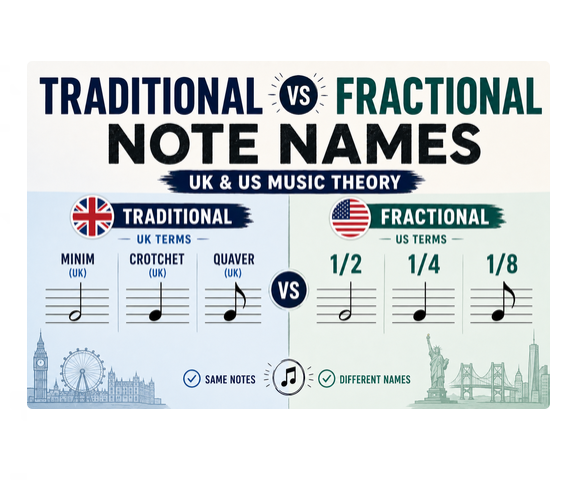
One of the most noticeable differences for American students is terminology. For example, the British term crotchet corresponds to the American term quarter note, while quaver corresponds to eighth note.

All-In-One Music Theory explains both systems of terminology, so students can recognise the terms used in different books, examinations and teaching environments. The fractional terminology was deliberately introduced into the books because it makes the numerical relationships between note values and the understanding of time signatures particularly clear. At the same time, the traditional British terminology remains an important part of British and international music education.


An American Music Teacher’s Experience

“There are ‘Britishisms’ in the book, but not so many to discourage American students… Perhaps the best endorsement comes from the fact that my test subject is thriving, progressing rapidly, and enjoying the journey.”

— K. Maven, Indiana

This was particularly encouraging because one of the aims of All-In-One Music Theory has always been to make music theory understandable rather than unnecessarily dependent on terminology.

The use of American terminology alongside British terminology can help students who are accustomed to American terms while also allowing them to recognise alternative terms when using international books and resources.

👉 UK and US Music Theory Terminology: Note Values Explained


How Do UK and US Music-Theory Levels Compare?

All-In-One Music Theory was developed primarily around the requirements of the ABRSM, Trinity College London and VCM examination systems. The grade numbers used in the book titles therefore refer to the UK-style graded examination system.

American students who are not studying for ABRSM, Trinity or VCM should not assume that a UK grade is identical to a US course or examination level.

If you are preparing for a particular American examination, qualification or school music course, compare its syllabus with the contents of the relevant All-In-One book to make sure that the topics you need are covered.

👉 Compare Music Theory Syllabus Requirements for ABRSM, Trinity and VCM


What About RCM Theory?

The Royal Conservatory of Music (RCM) uses a different theory structure from ABRSM and Trinity. RCM level numbers should therefore not simply be treated as equivalent to UK grade numbers.

One useful example is the relationship between RCM Level 8 Theory and ABRSM Grade 5 Theory. RCM identifies ABRSM Grade 5 Theory as an equivalent certificate for Level 8 Theory transfer-credit purposes.

This is a transfer-credit comparison, rather than a claim that the two examinations contain identical material.

The different numbering systems illustrate why students transferring between examination systems should compare the actual topics covered, rather than relying solely on the grade or level number.


Which All-In-One Book Should an American Student Choose?

The most appropriate All-In-One Music Theory book depends on the student’s existing knowledge of music theory and the level of material they need to study.

Students studying outside the UK should consider their previous music-theory experience and the topics they already understand when choosing between the books.

The All-In-One books also include some optional material beyond the core Grade 5 syllabus. For this reason, the range of material can be described as Grade 5+ UK, with some topics helping to prepare students for Grade 6.

👉 Bridging the Gap from Grade 5 to Grade 6 Music Theory

👉 Read our guide comparing the All-In-One Music Theory books


Using All-In-One Music Theory Without a UK Examination

You do not need to be preparing for an ABRSM, Trinity or VCM examination to use All-In-One Music Theory.

The books can also be used as a structured way of learning, practising and revising music theory. Students following a school music programme, taking private music lessons or preparing for another examination system may find them useful as a supplementary theory resource.

If you are studying for a specific American music-theory course or examination, it is sensible to compare the syllabus requirements with the contents of the book you are considering.


Frequently Asked Questions

Can American students use All-In-One Music Theory?

Yes. The books were developed around UK examination syllabuses but can also be used by students studying music theory more generally, including students in the United States.

Does All-In-One Music Theory use American terminology?

Yes. The books explain and use both British and American music-theory terminology, including terms such as quarter note, half note and whole note.

Can All-In-One Music Theory be used for RCM?

The books can be used as supplementary music-theory resources, but RCM has its own syllabus and progression. Students preparing specifically for an RCM examination should compare the RCM syllabus with the contents of the relevant All-In-One book.

Is RCM Level 8 the same as ABRSM Grade 5?

RCM officially lists ABRSM Grade 5 Theory as an equivalent certificate for RCM Level 8 Theory transfer-credit purposes. This does not mean that the two examinations have identical syllabuses.

Can I use All-In-One Music Theory if I am not taking an exam?

Yes. The books can be used for structured music-theory study, revision and supplementary learning even when a student is not preparing for a particular examination.


Further Information

If you are an American or Canadian teacher or student and have questions about British and American music-theory terminology, examination systems, or which All-In-One book would be most appropriate for your studies, please use the contact form on the website.

For reviews and comments from teachers and students, please visit the Reviews page.

The All-In-One Music Theory books and additional free music-theory resources are available through the website.


Posted on — Leave a comment

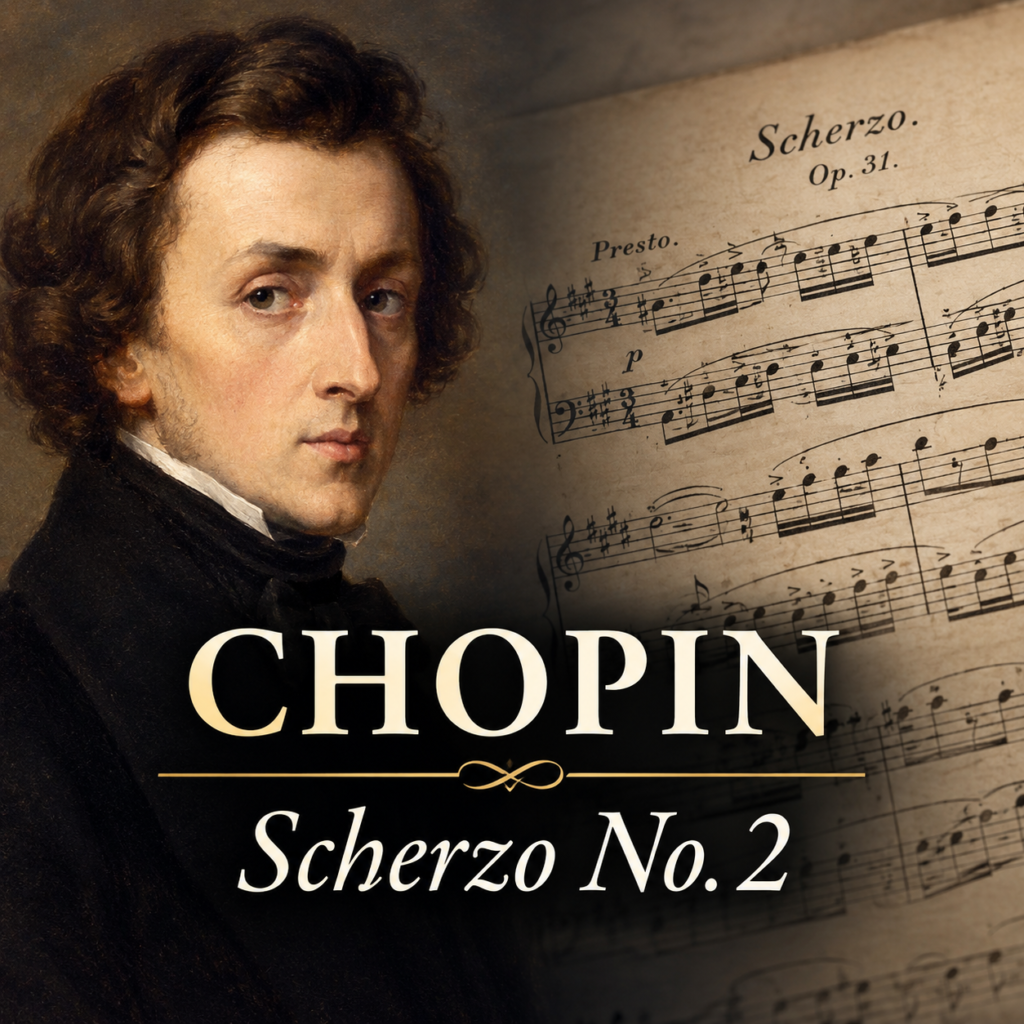
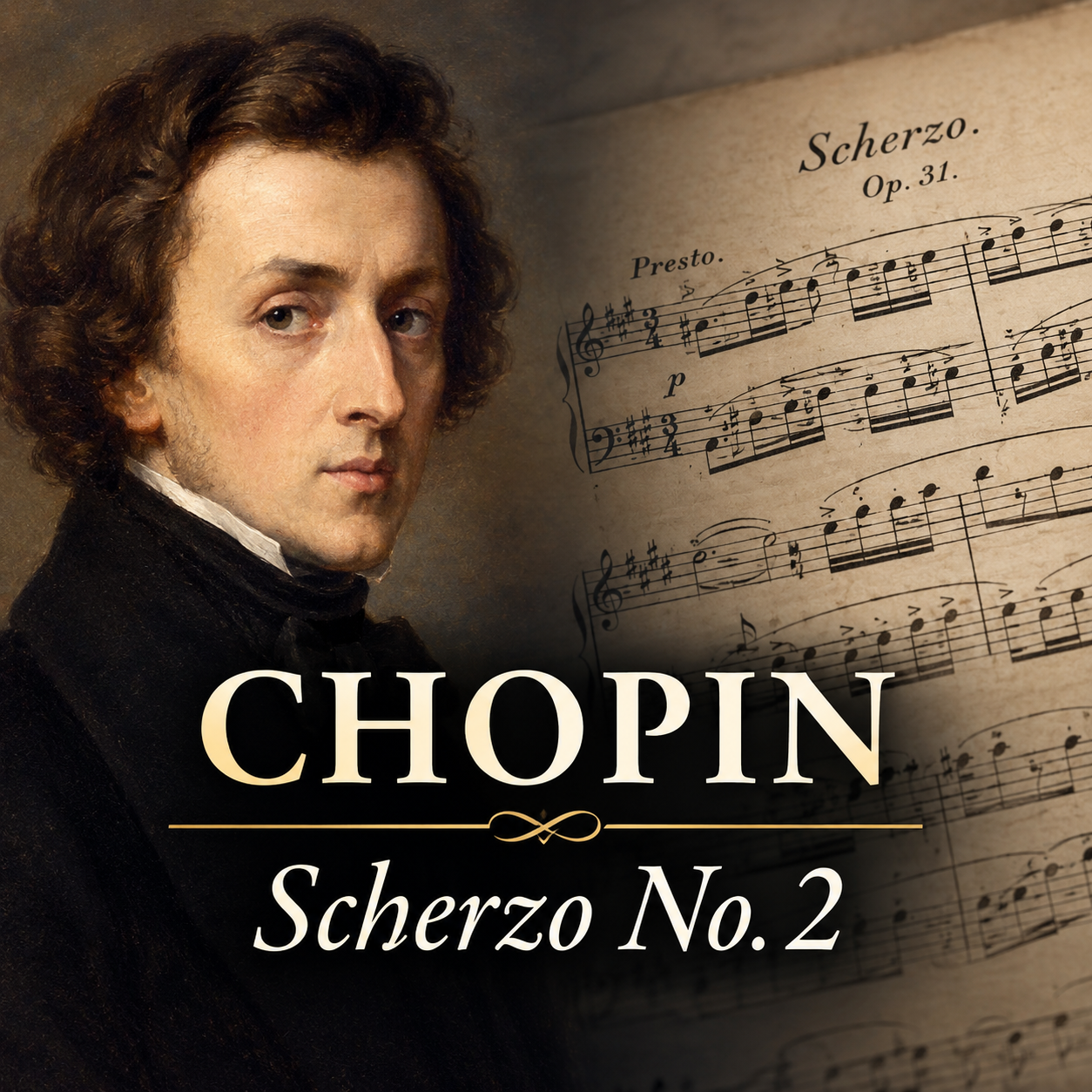
Chopin’s Scherzo No. 2: From Simple Sequences to a Triumphant Musical Arrival

chopin's scherzo No.2. Analysis of Trio section: sequences-harmony-cadence and more

Chopin’s Scherzo No. 2: From Simple Sequences to a Triumphant Musical Arrival

Music theory concepts explored in this performance:

✓ Sequence
✓ Root notes
✓ Real and tonal sequence principles
✓ Modulation
✓ Diminished chords
✓ Enharmonic equivalents
✓ Dominant 7th Chords
✓ Perfect cadence

Simple Concepts – Grand Design

In my beginner article about real and tonal sequences, I explain the difference between them and show how a sequence is a musical pattern which is repeated while being moved to a new pitch level.

In this performance example from Chopin’s Scherzo No. 2, beginning at bar 460, we can hear this same fundamental idea developed on a much larger scale.

What begins as a recognisable sequential pattern gradually becomes a dramatic harmonic journey, incorporating modulation, enharmonic equivalents, colourful diminished harmony and culminating in a powerful and triumphant perfect cadence in B-flat minor.


Audio Clip: Full passage — bars 460–544+


Bars 476–491: Preparing the Journey

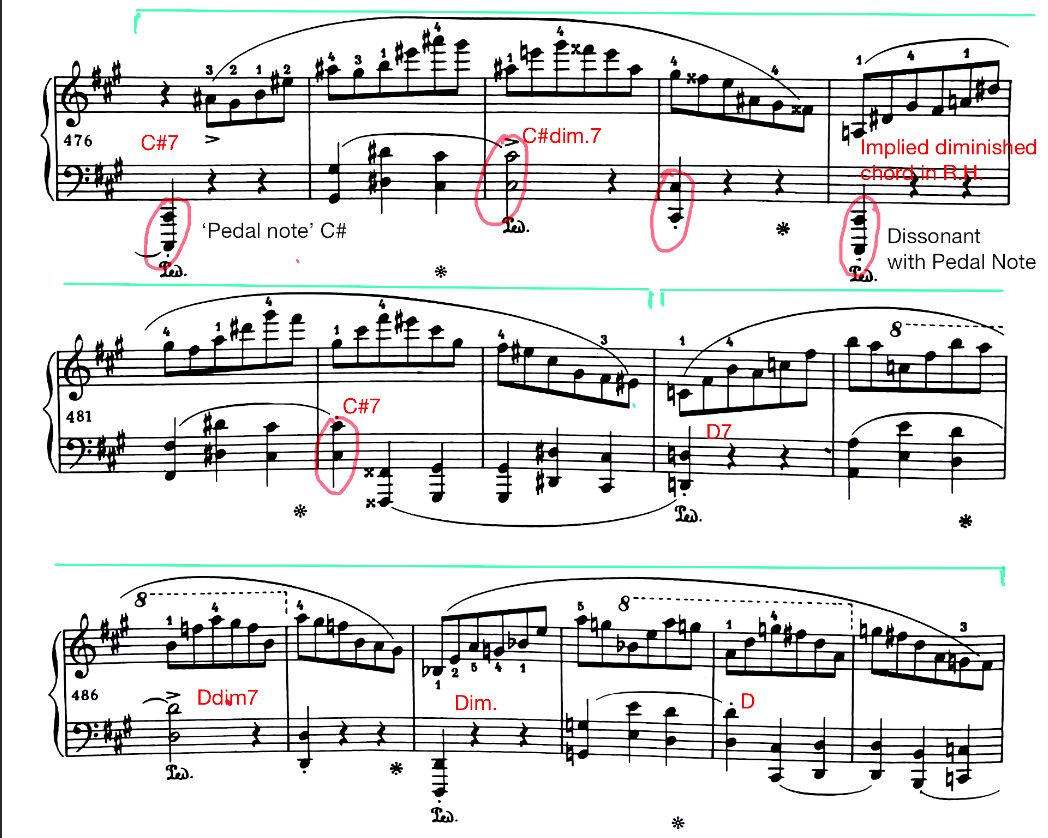
Bars 476 to 491 from Chopin’s Scherzo No.2

This transitory section begins with an eight-bar phrase.

In the right hand, the pattern begins with a C♯ major chord, moves through increasingly unstable harmonic material, and eventually returns to C♯ major. Beneath this, the left hand repeatedly emphasises C♯ in the bass. The term dissonant harmony below refers to the jarring vertical dissonances created between the repeated bass note in the left hand and the implied harmony in the right hand (for example, between C♯ and D♯ in bars 480–481, and between D and E in bars 488–489).

Right hand: C♯ major chord (bb. 476–477) → diminished harmony (bb. 478–479) → dissonant/clashing harmony (bb. 480–481) → return to C♯ major (bb. 482–483)
Left hand: repeated C♯ in the bass

The pattern then forms a real sequence when it is repeated a tone higher, with all of the intervals between the corresponding notes remaining exactly the same.

Right hand: D major chord (bb. 484–485) → diminished harmony (bb. 486–487) → dissonant/clashing harmony (bb. 488–489) → return to D major (bb. 490–491)
Left hand: repeated D in the bass

The repetition of the root notes in the bass creates a degree of stability. At the same time, however, the music becomes increasingly tense as the pattern moves upwards.

Although there is harmonic movement, there is still a feeling of instability. No key has yet been firmly established and there is no cadence to provide a sense of arrival. The result is unease and expectation.

A sequence occurs when a musical pattern is repeated while being moved to a new pitch level.

This simple principle becomes a powerful compositional technique, helping Chopin create momentum and prepare the listener for what follows.


Bars 492–515: Modulation and Pivot Chords

Chopin now introduces another recognisable pattern. In its simplest form, this can be understood as a harmonic and melodic sequence.

Although Chopin varies the motif, breaks it into smaller fragments and places parts of it in different octaves, the underlying idea remains recognisable.

The pattern first occurs in G minor , bars 492–499, before changing key through a process called modulation.

Score, bars 493 to 496 Scherzo No.2

[I have quoted it down an octave for the purpose of simplification]

When the pattern reoccurs in bars 500 to 507 it is in C minor, it is a real sequence, a perfect 4th higher.

Score, bars 499 to 502 Scherzo No.2

How does Chopin move from one key to another?

Remarkably, the change begins with just one note.

Chopin raises the third of the G minor chord by a semitone, changing B♭ to B natural. This transforms G minor into G major, which can function as the dominant of the new key, C minor.

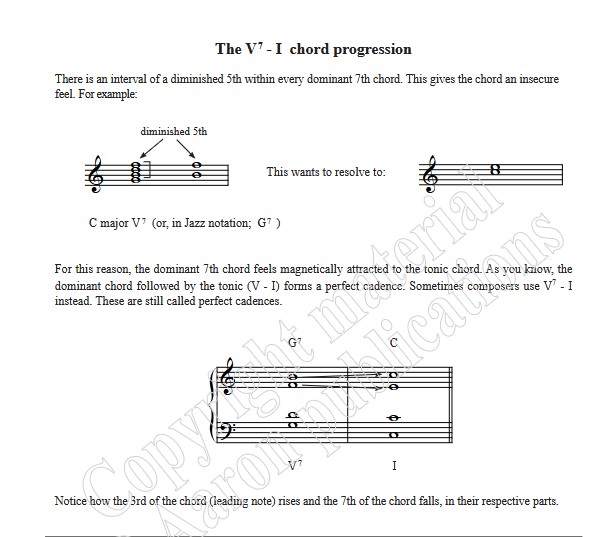
The dominant-to-tonic relationship is one of the strongest in tonal music. When the dominant moves to the tonic, it creates a strong sense of arrival and helps establish the new key. The addition of the seventh to the dominant chord further strengthens its pull towards the tonic (Explore our free guide to the Dominant 7th and Tonic Progression )

It is also very common for music to move between keys which are a fifth or fourth apart:

G → C → F → B♭

The circle of fifths helps us understand why these relationships are so common and why such key changes can sound natural and convincing.

Circle of Fifths

An Unexpected Change of Direction

At this point, our ears may expect Chopin to continue the predictable pattern:

G minor → C minor → F minor?

But instead, Chopin surprises us.

Rather than continuing to a closely related key, he moves towards A-flat minor, creating a more unexpected change of direction.

The C minor harmony acts as a pivot, helping the music turn towards the new harmonic area.

By changing just one note, Chopin can reinterpret the harmony and redirect the music. The resulting E-flat major chord becomes the dominant of A-flat minor.

The movement of the root notes also helps establish the new destination:

C → E♭ → A♭

These notes outline the new tonic area and reinforce the listener’s sense that the music has travelled somewhere new.


Around Bar 516: Why Enharmonic Equivalents Matter

Around bar 516, Chopin introduces an F-flat major chord.

At first this may seem surprising because F-flat is the enharmonic equivalent of E natural. In other words, the two notes sound the same on a modern piano.

So why not simply write E natural?

This is where enharmonic equivalents become much more than a definition students have to memorise.

Why Doesn’t Chopin Simply Write E Major?

The spelling of notes can help us understand their musical function and the direction of the music.

In the preceding passage, the bass has been moving by step through notes associated with A-flat minor:

G → A♭ → B♭ → C♭

The next logical letter name is therefore C♭, rather than B natural.

Writing C♭ preserves the visual and musical pattern of the bass line.

Chopin then uses this harmonic spelling to create a striking change of direction. The enharmonic relationship allows him to move smoothly between two different harmonic interpretations while the listener hears the same pitch.

This is a perfect example of why music theory matters.

A concept which may first appear as a definition in a theory book becomes a tool for understanding why a composer chooses a particular note or chord.


Bars 516–542: Harmonic Colour and Growing Tension

The music soon becomes more firmly established in E major.

Once again, Chopin makes use of the familiar relationship between tonic and dominant harmony, but now he enriches the harmony with increasingly colourful notes.

The dominant chord becomes more complex, creating a richer and more unstable sound.

For more advanced readers, this harmony can be understood as an extended dominant chord containing additional notes above the basic chord.

However, the important thing for the listener is the effect.

The harmony becomes increasingly colourful, tense and unstable.

Diminished Chords: Unease and Drama

Chopin then develops this unstable harmony through a rising sequential movement.

Diminished chords are particularly effective at creating tension because they sound unstable and seem to demand movement towards another harmony.

As the pattern rises, the sense of expectation becomes stronger.

The sequence itself creates momentum, while the diminished harmony adds unease and drama.

Each repetition seems to ask the same question:

When is this tension finally going to end?

Eventually, the unstable harmony is transformed into the dominant of B-flat minor.

The listener is now being drawn unmistakably towards the final destination.


Bars 543–544: The Triumphant Arrival

The Perfect Cadence: Arriving Home

After the harmonic exploration, unexpected changes of key and growing tension, Chopin brings the passage to a powerful conclusion.

The final dominant chord resolves to the tonic of B-flat minor, creating a perfect cadence.

The effect is one of arrival and release.

The listener has travelled through changing harmonic landscapes, colourful chords and increasing instability. Finally, the cadence confirms the destination with clarity and strength.

The journey may sound complex, but its foundations are remarkably simple.


Connecting Back to Music Theory

This passage contains ideas which students begin learning at an early stage:

  • sequences
  • intervals
  • tonic and dominant chords
  • keys
  • modulation
  • enharmonic equivalents
  • diminished chords
  • cadences

The difference is not in the basic ingredients.

It is in the way a master composer combines them.

A sequence creates movement.

Modulation takes us away from familiar ground.

Enharmonic spelling can help explain musical direction.

Diminished harmony creates instability.

A perfect cadence provides resolution.

Advanced music is made from simple ideas.


Learn More

The All-In-One Music Theory books introduce these essential building blocks in a clear and progressive way.

Students learn individual concepts such as sequences, intervals, chords, keys and cadences. As their understanding develops, they can begin to recognise how composers combine these simple ideas to create increasingly complex and powerful music.

Simple ideas. Powerful music.

The more we understand the building blocks of music, the more we can recognise them in the music we play, hear and love.


Additional Free Music Theory Resources

🎧 Free Aural Exercises Based on Chopin’s Scherzo No. 2

Can you hear the sequences and harmonic changes?

Would you like to explore some of the musical ideas discussed in the accompanying article through listening?

Rachel has created free aural exercises based on passages from Chopin’s Scherzo No. 2, with accompanying worksheets and answers, giving you the opportunity to test your ears and see whether you can hear the sequences and harmonic changes for yourself.

👉 Try the free Chopin Scherzo No. 2 aural exercises →


📚 Related Music Theory articles:

Dominant 7th Chords and Tonic Resolution
Discover why adding the seventh to a dominant chord creates an even stronger pull towards the tonic.

Real and Tonal Sequences
Learn the difference between real and tonal sequences and discover how composers use repeated patterns to create movement and direction.


Posted on — Leave a comment

Why does the dominant 7th chord resolve to the tonic?

Dominant 7th to Tonic chord progression, explanation and example

Posted on — Leave a comment

Real and Tonal Sequences in Music Theory: Explained with Examples

Real and Tonal Sequences

Real and Tonal Sequences in Music Theory: Explained with Examples (Trinity Grade 3)

What is a sequence in music theory?

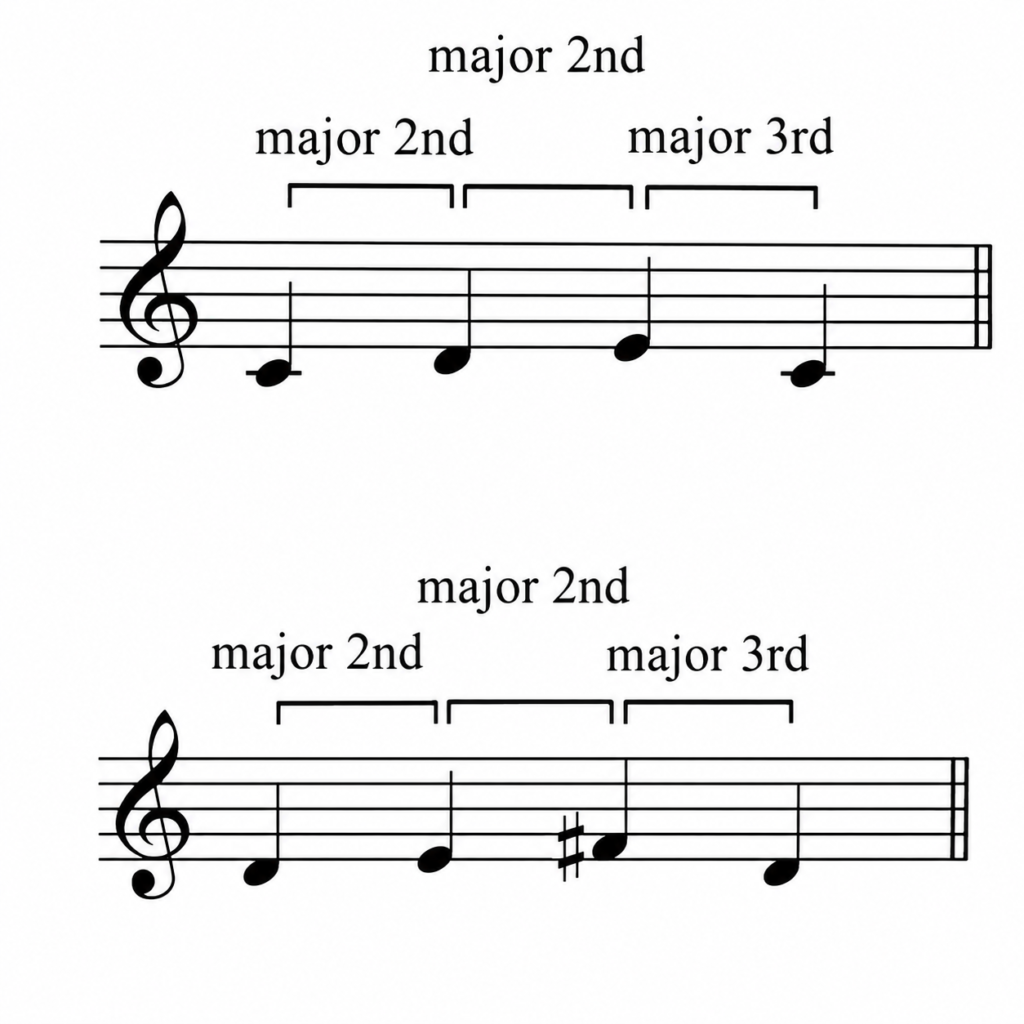
A sequence is a musical pattern that is repeated at a different pitch, usually higher or lower.

Sequences, pattern of notes

At first, this may seem like a simple exercise: identify the repeated pattern and work out how it moves. However, this basic idea is one of the building blocks that composers use to create movement, excitement, tension and musical direction.

The two types of sequences

There are two types of sequences that students encounter in music theory: real sequences and tonal sequences.

Real sequences

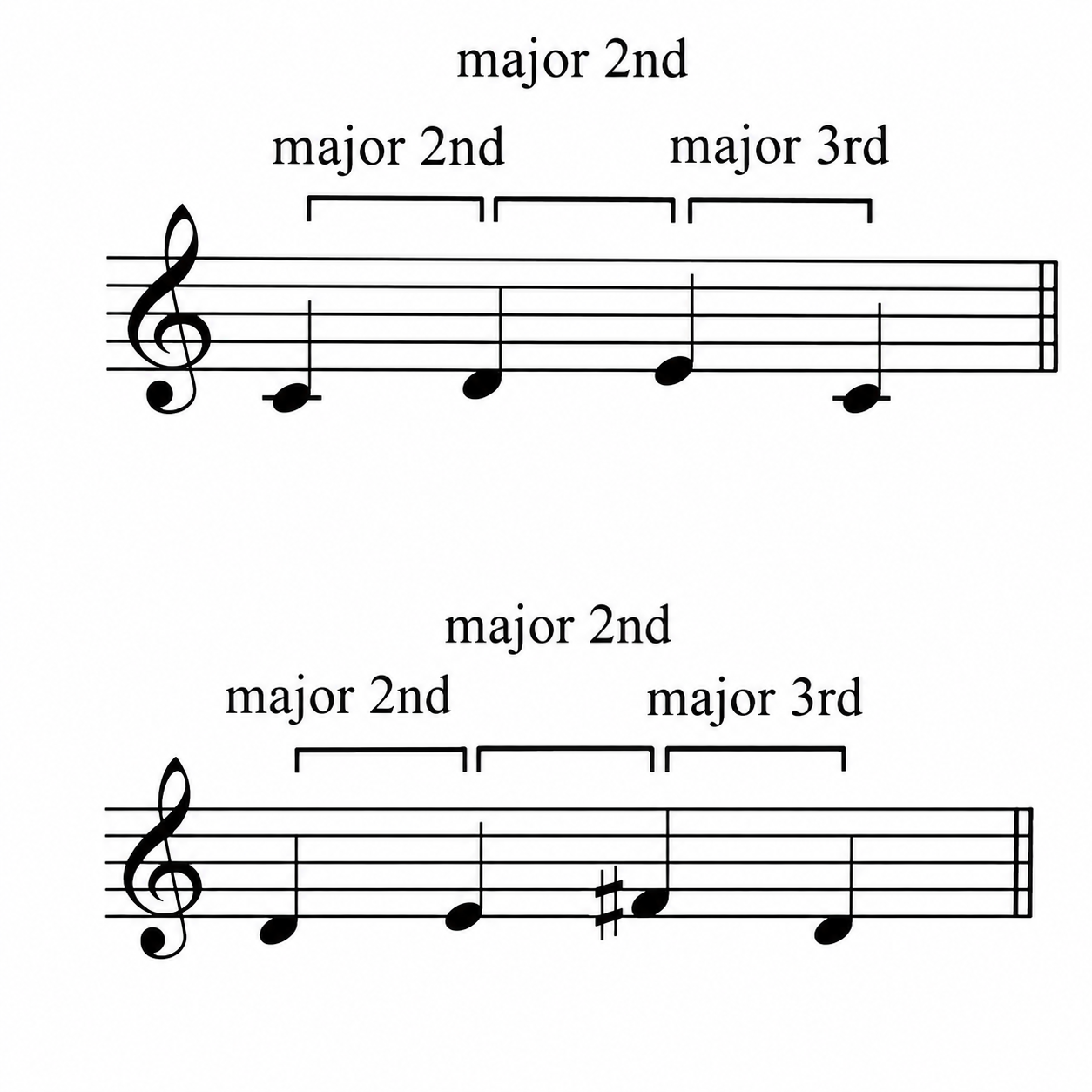
A real sequence repeats the pattern at exactly the same interval, so the intervals between the notes remain unchanged.

Example, Real Sequence

Tonal sequences

A tonal sequence repeats the pattern at a different pitch but changes some of the intervals so that the notes fit the key or harmony.

Example, Tonal Sequence


The listener can still recognise the original pattern, but the composer adjusts some notes to keep the music within the desired tonal framework.

Real and tonal sequences in Trinity College London Music Theory

Contents page Trinity College London Music Theory Supplement for All-In-One to Grade 5

Trinity Supplement (used by Trinity students alongside All-In-One to Grade 5). Contents page showing Sequences at Grades 2 and 3.


Trinity students first encounter sequences as a musical pattern at Grade 2. At Grade 3, they develop this understanding further by learning about real and tonal sequences.

The Trinity Supplement, designed to be used alongside All-In-One to Grade 5, provides a clear explanation of this topic, with examples and exercises designed to help students understand and practise the concept.

Practise real and tonal sequences

Practice exercises on this topic can be found in the Trinity College London Music Theory Supplement – All-In-One to Grade 5.

Example, Real and Tonal Sequences Exercises

The book explains the process step by step and includes an example exercise before the questions. Students are asked to place brackets around the sequences and label them as real or tonal.


The same idea appears in great music

The exciting thing about music theory is discovering that the ideas studied in simple exercises are also used by great composers.

A sequence does not need to be complicated to be powerful. Composers use sequences to develop musical ideas, create momentum, build tension and shape the emotional direction of a piece. At a more advanced level, sequences can also help composers move between different keys. Forward movement is created by:

☑ repeated pattern
☑ rising/falling movement
☑ harmonic progression


Additional Free Music Theory Resources

🎧 Can you actually hear the sequences?

👉 Learn to recognise sequences – both real and tonal, in an analysis of Chopin’s Scherzo No. 2. Discover how simple musical idea can become part of a much larger dramatic structure.


Continue your theory journey

The All-In-One Music Theory work books are designed to make music theory clear and approachable, building strong foundations through explanations, examples and exercises.

Once students understand the basic principles, they can begin to recognise these same ideas within the music they play.

Explore the All-In-One Music Theory workbooks and Revision booklets


Posted on — Leave a comment

Finding Notes Faster: Pattern Recognition, Musical Stories & Ledger Lines

How to read ledger line notes fast

How to Read Music Notes Faster: Pattern Recognition & Ledger Lines

One of the biggest hurdles for music theory students is learning to recognise notes quickly and confidently. Many beginners try to memorise every single note position separately, but this can become overwhelming — especially when notes move above and below the stave onto ledger lines.

A more effective approach is to look for patterns.

The All-In-One Music Theory Workbooks and Revision booklets take a different approach by encouraging students to understand the relationships between notes rather than simply memorising isolated facts. From the very beginning, students are guided to recognise patterns and develop the ability to work things out for themselves.

Pattern recognition before note names

A distinctive feature of the All-In-One approach is that students are introduced to pattern recognition early in the books, before they are expected to memorise individual note positions.

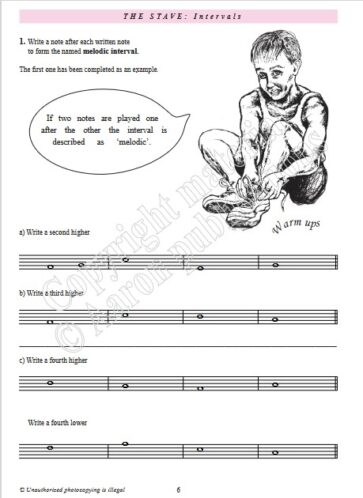
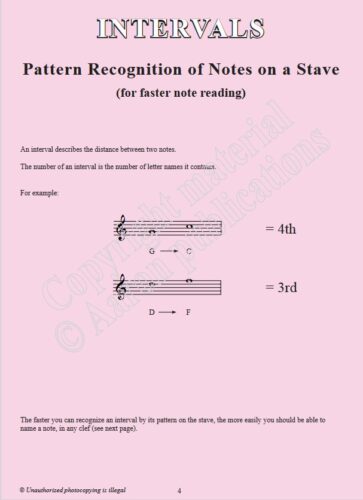
The section “Pattern Recognition of Notes on a Stave (for faster note reading)” encourages students to look at the shapes and relationships between notes first. By identifying intervals and recognising the distance between notes, students begin to understand how music notation works before they are asked to attach names to every position.

This is a powerful way to develop confidence at reading music notation in any clef, because students learn to see music as a series of patterns rather than a collection of individual notes to memorise.

Once the patterns of the stave become familiar, reading notes becomes much quicker, more logical and more enjoyable.

Recognising patterns on the stave

Notes on the stave follow predictable patterns and the shape of an interval stays the same no matter where it appears on the stave.

Instead of asking, “What is this note?” every time, students can begin to recognise the shape and position of notes more naturally.

This is similar to reading words. Experienced readers do not spell out every letter individually — they recognise familiar patterns and combinations. Musicians develop the same skill when reading notation.

A simpler way to learn note names across the stave.

Alongside developing pattern recognition skills, the All-In-One Music Theory books introduce a simple mnemonic system to help students quickly identify notes across both the treble and bass staves.

Unlike traditional methods that often use separate mnemonics for the treble and bass clefs (and additional ones for lines and spaces), this approach uses one continuous mnemonic that spans both staves. It can then be split into two easy-to-learn sections, meaning students only need to remember two short mnemonics rather than four.

This reduces the amount of memorisation required while helping students see the relationship between the treble and bass staves as one connected system. Combined with pattern recognition, this gives students a practical and efficient way to build faster note-reading skills.

Ledger lines are not extra notes to memorise

Ledger lines can seem intimidating because they extend beyond the familiar five lines of the stave. However, they are not separate from the stave — they simply continue the same pattern.

The important thing is not to memorise dozens of new positions. Instead, students learn to recognise landmarks and use the pattern to find the answer.

Ledger line note, pattern recognition. Learn how to read music notes faster
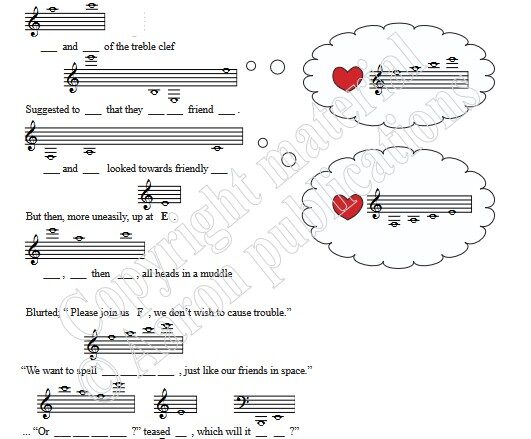
Small excerpt from the six page ‘L:edger Line lament’ found in All-In-One to Grade 5 and All-In-One: Grades 1-3


This example from All-In-One Music Theory shows how note recognition can become a fun discovery activity. While FACE is commonly associated with the spaces of the treble clef, this example extends the idea further, with ledger line notes spelling FACE and allowing students to uncover the pattern themselves within the story. It shows how familiar note patterns can continue beyond the stave into ledger lines in both the treble and bass clefs. Rather than being given another fact to memorise, students discover a memorable connection between the notes and the music.

Learning through musical stories

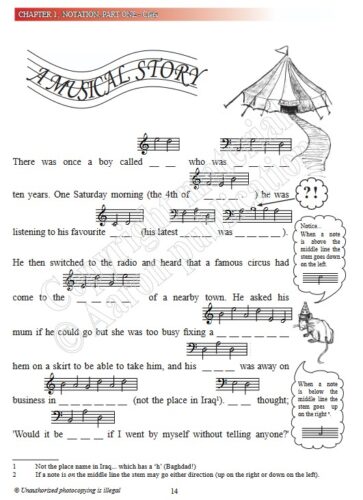
How to read music notes faster. bass-treble-clef-musical-story-example.
One page from a six page Musical Story for practice at reading notation in the treble and bass clef


Another special feature of the All-In-One Music Theory books is the inclusion of 12 pages of musical stories that make note recognition fun, memorable and engaging.

These stories are entertaining while always remaining educational. They encourage students to look carefully at the notation, solve clues and discover patterns hidden within the music.

Ledger Line Lament - Note heads on a ledge
Title from ‘Ledger Line Lament’ – six pages

The ledger line example above is just a small part of this approach. Across 12 pages of creative musical storytelling, students practise note recognition in a way that feels more like solving a puzzle than completing a traditional theory exercise.

Understanding rather than memorising

This is the principle behind the All-In-One approach: giving students the tools to solve problems independently.

The aim is not just to pass a theory exam, but to develop genuine musical understanding and confidence. When students understand why notes are where they are, music theory becomes less like a list of rules to remember and more like a puzzle they can solve.

By combining pattern recognition, interval awareness, visual learning, carefully designed mnemonic tools and imaginative musical stories, All-In-One Music Theory helps students develop faster, more confident note reading skills through understanding rather than memorisation.


Posted on — Leave a comment

Chord Inversions Explained: Triads, Four-Part Chords and Figured Bass (Music Theory Guide)

Inversions of Four-Part Chords

Chord Inversions Explained: Root Position, First and Second Inversion

A chord inversion occurs when a chord is arranged so that a note other than its root is in the bass. For a triad, there are three possible positions: root position, first inversion and second inversion.

Understanding chord inversions is an important part of learning harmony and is particularly useful for students studying music theory and preparing for graded examinations.

Many students can recognise chords in root position, but inversions can initially seem confusing because the notes are rearranged and the bass note changes.

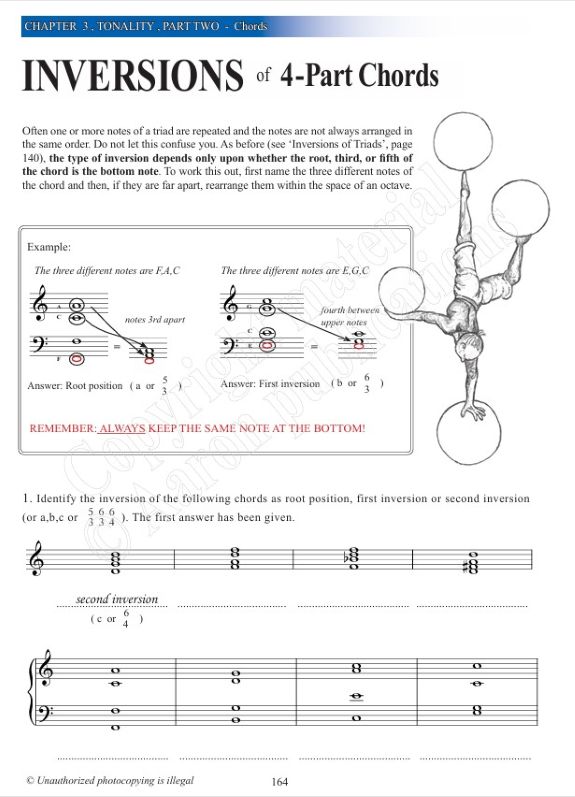
The All-In-One Music Theory books introduce chord inversions step-by-step through a highly visual approach, using illustrations, diagrams and carefully designed layouts with minimal text. This makes the presentation concise while still covering the subject in depth, from simple triads through to four-part chords and figured-bass notation.

The article below explains these concepts in a detailed, word-based format. They provide useful explanations online, but the full benefits of the All-In-One visual teaching method can only be experienced through the books themselves.


What Is a Chord Inversion?

A chord inversion occurs when the notes of a chord are rearranged so that a note other than the root becomes the lowest note.

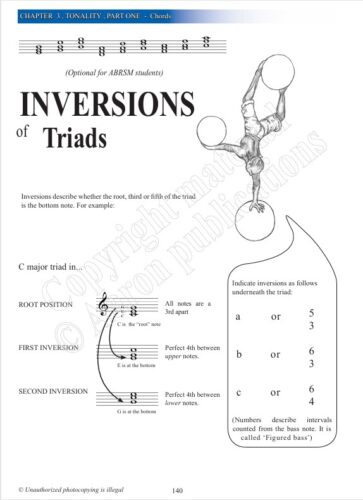
For example, a C major triad contains:

C – E – G

When C is the lowest note, the chord is in root position.

When E becomes the lowest note:

E – G – C

the chord is in first inversion.

When G becomes the lowest note:

G – C – E

the chord is in second inversion.

The most important rule to remember

The inversion of a chord is determined by the bottom note.

It does not matter which note is at the top, or in what order the other notes appear above the bass. To identify the inversion, look at the lowest note.

The Three Types of Triad Inversions

Image: Chord Inversions Triads
Chord Inversions Triads

Root Position (5/3)

In root position, the root of the chord is the lowest note.

Example: C major

Bass note: C

Notes: C, E, G

Figured bass:

5/3 — usually not written because it is understood.

First Inversion (6 or 6/3)

In first inversion, the third of the chord is the lowest note.

Example: C major

Bass note: E

Notes: E, G, C

Figured bass:

6/3, usually shortened to 6.

Second Inversion (6/4)

In second inversion, the fifth of the chord is the lowest note.

Example: C major

Bass note: G

Notes: G, C, E

Figured bass:

6/4

How to Identify a Chord Inversion

When identifying a triad inversion, use this simple method:

  1. Identify the notes in the chord.
  2. Work out the root of the chord.
  3. Look at the lowest note.
  4. Decide whether the bass note is the root, third or fifth.
  5. This tells you whether the chord is in root position, first inversion or second inversion.

For four-part chords, there may be a repeated note, so it is helpful to identify the three different notes of the chord first.

Why Are Chord Inversions Used?

Composers use chord inversions because they can create smoother and more interesting musical progressions.

Without inversions, chord changes can create large jumps between notes. Inversions allow individual voices, particularly the bass line, to move more naturally.

For example:

C → G → C

can become:

C → G/B → C

The bass line moves more smoothly, creating a stronger sense of musical flow.

This is one reason why understanding chord inversions is important when studying harmony. The same chord can have a different bass note and produce a different effect within a progression.

Understanding Four-Part Chord Inversions

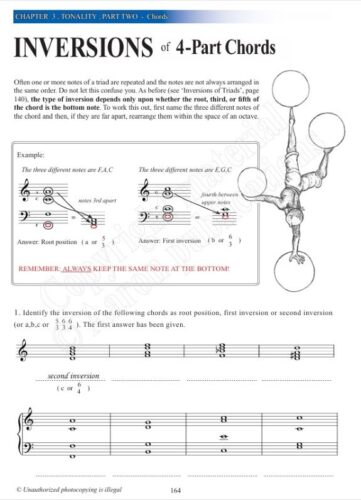
Image: Inversions of Four-Part Chords
Inversions of Four-Part Chords

Inversions of Four-Part Chords: Found in All-In-One to Grade 5 and All-In-One: Grades 4–5 workbook

Four-part chords can appear more complicated because one or more notes of the triad may be repeated.

A four-part chord usually contains:

  • Soprano
  • Alto
  • Tenor
  • Bass

Although the notes may be spread across two staves and arranged differently, the method for identifying the inversion remains the same.

Look at the bass note.

The bass note determines whether the chord is in root position, first inversion or second inversion.

How to Identify a Four-Part Chord Inversion

  1. Find the three different notes that make up the chord.
  2. Ignore any repeated notes.
  3. Look at the lowest note.
  4. Decide whether the bass note is the root, third or fifth.
  5. Identify the inversion.

Example

E – G – C – E

The three different notes are:

C, E and G

Because E is the lowest note, this is:

C major, first inversion.

The repeated E does not change the inversion.

Figured Bass and Chord Inversions

Figured bass is a system that shows the intervals above the bass note.

Understanding the relationship between figured bass and chord inversions can help students see why the figures change when the bass note changes.

The common symbols for triads are:

Root position:
5/3

First inversion:
6/3 or 6

Second inversion:
6/4

The numbers do not tell you the name of the chord. They show the intervals between the bass note and the notes above it.

This is why figured bass and chord inversions are closely connected.


Chord Inversions in the VCM Music Theory Syllabus

Chord inversions are included in the new Victoria College of Music (VCM) Music Theory syllabus. From Grade 3, students are tested on chord inversions, with the topic introduced simply and progressively as they develop their understanding of harmony.

This makes chord inversions an important area of study for VCM Music Theory students, as well as for those following other graded music theory syllabuses. Although figured bass becomes particularly relevant at Grade 6, introducing these patterns earlier can provide useful preparation and help students develop a stronger understanding of harmony.

You can see the full VCM Music Theory syllabus requirements, including how chord inversions are introduced at different grades.


Common Mistakes Students Make With Chord Inversions

Looking at the Wrong Note

The lowest note determines the inversion, not the highest note.

Forgetting Doubled Notes

Four-part chords often contain repeated notes. Always identify the three different notes first.

Thinking the Notes Must Appear in a Particular Order

The notes of a chord can be rearranged. They do not have to appear in a particular order above the bass.

The important point is the bass note.

Confusing the Chord Name with the Inversion

The chord name tells you which notes belong to the chord. The inversion tells you which chord note is in the bass.

For example, C–E–G, E–G–C and G–C–E are all forms of a C major chord, but they are in different positions.


Chord Inversions: A Simple Way to Remember Them

For a triad, simply look at the bottom note:

  • Root position: root in the bass
  • First inversion: third in the bass — a fourth between the upper two notes
  • Second inversion: fifth in the bass — a fourth between the lower two notes

For a C major triad:

C – E – G → Root position
E – G – C → First inversion
G – C – E → Second inversion

The notes of the chord have not changed — only the bass note has changed.

Once you understand this simple principle, chord inversions become much easier to recognise. You can begin to see more clearly how chords move, how bass lines are constructed and how harmony works within a piece of music.

Whether you are preparing for a music theory examination, developing your harmony skills, or simply wanting to understand how chords work, recognising chord inversions is an important step towards becoming a more confident musician.


Ready to Practise Chord Inversions?

👉 The clearest explanation of chord inversions, combined with plenty of practice exercises, is found in Chapter 3 of:

These books explain chord inversions step by step and provide plenty of opportunities to practise identifying and writing them.


Aural and General musicianship

For a practical musical example of chord inversions, see:

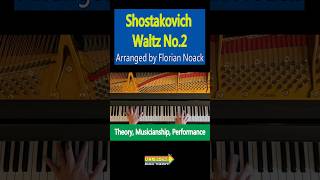
👉 Shostakovich Piano Tutorial: Waltz No. 2 – Chord Inversions and Hemiolas

This video demonstrates chord inversions in the context of an actual piece of music.


Moving from Grade 5 to Grade 6 Music Theory

If you are moving on from Grade 5 and beginning to study more advanced harmony, you may also find our guide Bridging the Dreaded Gap: How to Transition from Grade 5 to Grade 6 Music Theory Smoothly useful.


Posted on — Leave a comment

Identify Major Key Signatures (Without Memorising Every Key)

How to work out the notes of a Key signature with flats quickly and easily

How to Identify Major Key Signatures (Without Memorising Every Key)


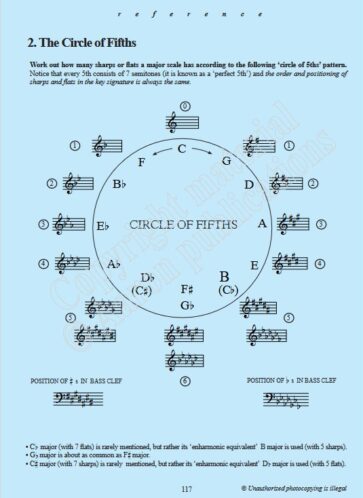
Identify Major Key Signatures SharpsIdentify Major Key Signatures Flats


Two of  fifteen Reference pages found in Chapter Three of  All-In-One to Grade 5, All-In-One: Grades 1-3 and All-In-One: Grades 4-5 books 

Learn how to identify major key signatures quickly and confidently using the simple patterns behind sharps and flats.

This guide is ideal for beginners and music theory students, including those preparing for ABRSM, Trinity College London, and Victoria College Music Theory exams.

However, this article is not a substitute for the All-In-One Music Theory workbooks and Revision booklets. While this online guide explains the subject in words, the books present these concepts through a highly visual approach, using diagrams, carefully designed layouts and minimal text to make music theory concise, clear and easier to understand and remember.

The full benefits of the All-In-One method can only be experienced through the books themselves. They provide a comprehensive, structured approach to music theory through Grade 5, offering far more than can be conveyed in an individual online article.

To experience the complete All-In-One approach, we recommend working from All-In-One to Grade 5 or All-In-One Grades 1–3 and All-In-One Grades 4–5.


Have you ever looked at a key signature and wondered:

“How do I know what key this is?”

Many students believe they need to memorise every major key signature. Fortunately, there’s a much easier way.

By understanding the order of sharps and flats, you can work out any major key quickly and confidently.

The secret is learning one simple pattern.


What Is a Key Signature?

A key signature is the group of sharps (♯) or flats (♭) written at the beginning of a piece of music, immediately after the clef.

It tells us which notes are altered throughout the music.

More importantly, it tells us the key of the piece.

The good news is that key signatures aren’t random—they follow clear, predictable patterns.


The Order of Sharps

Every sharp key signature follows exactly the same order:

F – C – G – D – A – E – B

A useful mnemonic is:

Father Charles Goes Down And Ends Battle

Taking the first letter of each word gives:

F C G D A E B

Each new sharp key simply adds the next sharp in this sequence.

Examples

Key Sharps
G major F♯
D major F♯ C♯
A major F♯ C♯ G♯

One Mnemonic Gives You the Order of Flats Too

Many students learn one mnemonic for sharps and another completely different one for flats.

You don’t need to.

Simply read the same phrase backwards:

Battle Ends And Down Goes Charles Father

This gives:

B – E – A – D – G – C – F

That’s the order in which flats appear.

So one phrase gives you both:

Sharps

F – C – G – D – A – E – B

Flats

B – E – A – D – G – C – F

Learning one pattern is much easier than memorising two separate lists.


How to Find a Major Key from a Sharp Key Signature

Once you know the order of sharps, identifying the key is easy.

Rule

The major key is the note immediately above the last sharp.

Example 1

Key signature: F♯

Last sharp: F♯

One note higher: G

Answer: G major


Example 2

Key signature: F♯ C♯ G♯

Last sharp: G♯

One note higher: A

Answer: A major


Example 3

Key signature: F♯ C♯ G♯ D♯

Last sharp: D♯

One note higher: E

Answer: E major

Remember: You don’t need to memorise every sharp key. Simply identify the last sharp and move up one note.


How to Find a Major Key from a Flat Key Signature

Using the order of flats:

B – E – A – D – G – C – F

the rule is different.

Rule

The major key is named after the second-last flat.

Example 1

Key signature: B♭ E♭

Second-last flat: B♭

Answer: B♭ major


Example 2

Key signature: B♭ E♭ A♭

Second-last flat: E♭

Answer: E♭ major


Example 3

Key signature: B♭ E♭ A♭ D♭

Second-last flat: A♭

Answer: A♭ major


The One Exception

There is one flat key signature that doesn’t follow the “second-last flat” rule.

With one flat (B♭), the key is:

F major

This is the only flat major key you need to remember separately.


Why These Patterns Work

These aren’t simply exam shortcuts.

They come directly from the circle of fifths , which shows how every major key is related.

  • Moving clockwise adds one sharp at a time.
  • Moving anticlockwise adds one flat at a time.

Because the pattern never changes, these rules work every time.

The Circle of Fifths


Test Yourself

Can you identify these major keys?

  1. F♯ C♯

Answer: __________

  1. B♭ E♭ A♭

Answer: __________

  1. F♯ C♯ G♯ D♯ A♯

Answer: __________

  1. B♭ E♭ A♭ D♭

Answer: __________


Ready to practise key signatures?

👉 This topic is covered in Chapter 3 of All-In-One to Grade 5, All-In-One: Grades 1-3 and All-In-One: Grades 4-5


Common Mistakes

Avoid these common errors:

  • Trying to memorise every key signature individually.
  • Forgetting that the order of flats is simply the order of sharps in reverse.
  • Using the last flat instead of the second-last flat.
  • Forgetting the one-flat exception: F major.
  • Looking at accidentals in the music instead of the key signature.

Learn the Pattern, Not the List

At All In One Music Theory, the goal isn’t simply to memorise facts.

It’s to understand the patterns that make music theory logical.

Once you know:

  • the order of sharps
  • the order of flats
  • how to identify the tonic

you can work out any major key signature with confidence.

This approach builds genuine understanding and prepares students for:

  • ABRSM Music Theory
  • Trinity College London Music Theory
  • Victoria College Music Theory

Understanding the pattern is far more powerful than memorising isolated facts.


The All-In-One Music Theory workbooks and Revision booklets teach the complete system, covering all topics from beginner to Grade 5, with explanations, examples and exercises.

Related:

How to Build a Major Scale Using Tones and Semitones

Learn how every major scale is constructed using the simple pattern of tones and semitones.

Posted on — Leave a comment

UK and US Music Theory Terminology: Note Values Explained

Traditional (UK) vs Fractional (US) Note Names

UK and US Music Theory Terminology: Note Values Explained

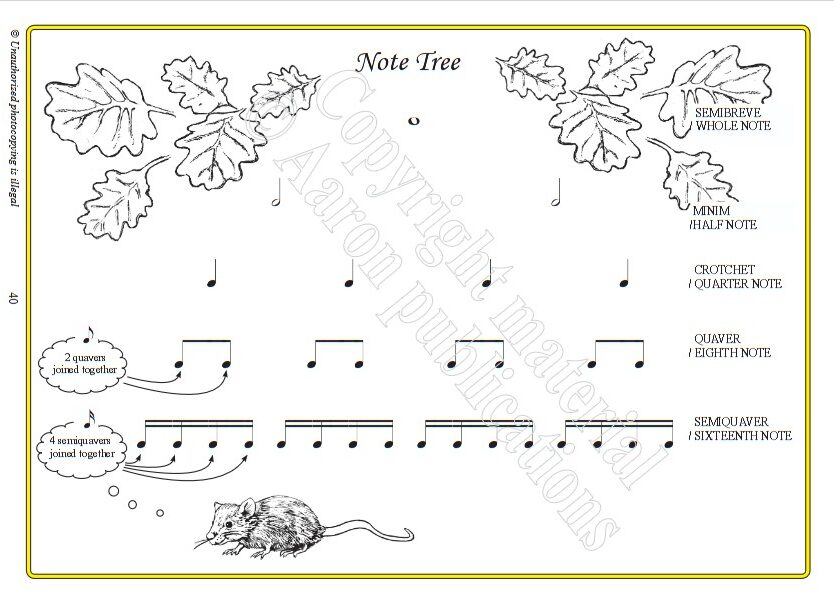
UK and US Note Value Terminology Explained


Music theory terminology differs between English-speaking countries, particularly in the naming of note values.

The notation itself is the same. The principal difference is the terminology used to describe it.

In the United States, note values are commonly described using fractional names:

  • Whole note
  • Half note
  • Quarter note
  • Eighth note
  • Sixteenth note
  • Thirty-second note

In the United Kingdom, note values are commonly described using traditional names:

  • Semibreve
  • Minim
  • Crotchet
  • Quaver
  • Semiquaver
  • Demisemiquaver

UK and US Note Value Names

US / Fractional Terminology UK / Traditional Terminology
Whole note Semibreve
Half note Minim
Quarter note Crotchet
Eighth note Quaver
Sixteenth note Semiquaver
Thirty-second note Demisemiquaver

These are different names for the same musical values.


All-In-One Music Theory Uses Both Systems

Although All-In-One Music Theory was developed in the UK, the books are designed to be accessible to students using either British or American terminology.

Both systems are taught throughout the books, rather than simply being mentioned in a terminology table.

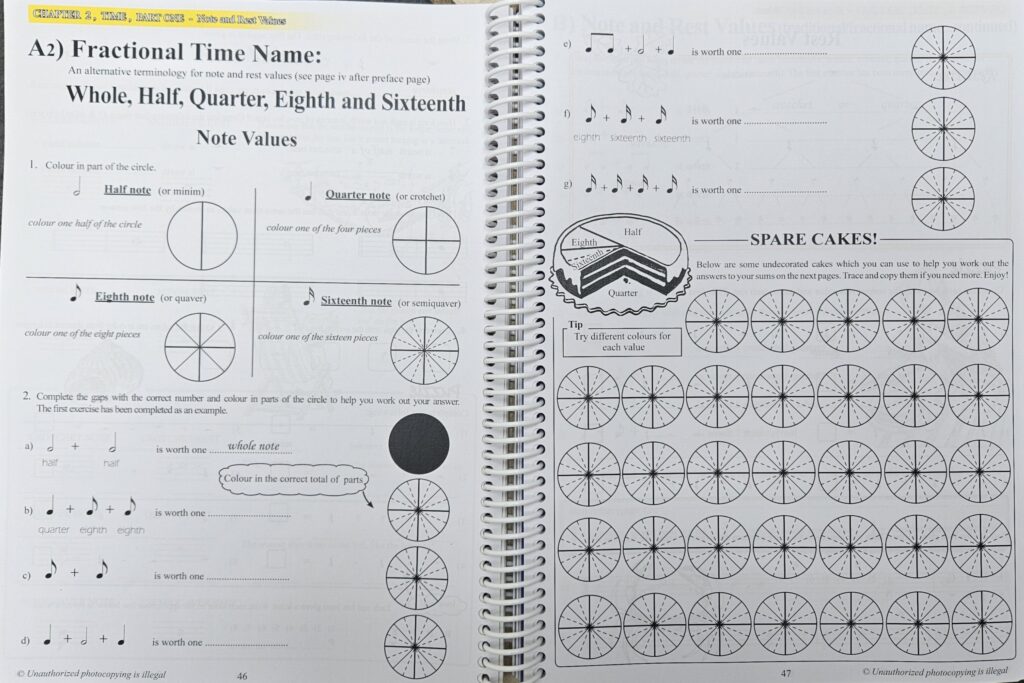
For example, in Chapter 2: Time, students encounter exercises using both traditional British names and American fractional names.

The same principle applies to rests.

For example:

  • Crotchet rest = quarter rest
  • Quaver rest = eighth rest
  • Semiquaver rest = sixteenth rest
    Rest Values puzzle using Fractional values: Whole, Half, Quarter, Eighth, Sixteenth

Why Teach Both Terminologies?

Understanding both systems is particularly useful for students who may encounter music education in different countries, working with different teachers, books, examination systems or musical resources.

An American student may learn about a quarter note, while a British teacher may call exactly the same symbol a crotchet.

A British student may learn about a semibreve, while an American teacher may refer to it as a whole note.

The terminology is different, but the musical value is the same.

Learning both systems can also help students understand the relationship between note values and time signatures. The fractional terminology makes the numerical relationships between note values particularly clear, while the traditional terminology remains an important part of British and international music education.


Other UK and US Music Theory Terminology

The differences are not limited to note values.

A table towards the front of All-In-One Music Theory explains major terminology differences in music theory and indicates where these terms are used in the book.

Other examples include:

UK terminology US terminology
Stave Staff
Staves Staffs
Bar / bar-line Measure / bar line
Semitone Half step
Tone Whole step

Where appropriate, All-In-One Music Theory uses footnotes and explanations to help students recognise these differences.

The aim is not to make students choose one terminology over another, but to help them understand the musical concepts and recognise the terminology used by different teachers and resources.


An American Music Teacher Asked About All-In-One Music Theory

An American music teacher once contacted me after seeing a sample page from the All-In-One Music Theory book.

Her question was whether the books would be suitable for American students, since American music education commonly uses fractional note-value names rather than the traditional British terminology.

She had noticed that a sample page from the book presents both UK and US terms side by side.

The answer is simple: students using All-In-One Music Theory can learn both systems.


In Chapter 2: Time, students encounter several pages of exercises using both terminologies.

A1 paper is titled:

‘Traditional Name: Semibreve, Minim, Crotchet, Quaver and Semiquaver’

A2 paper is titled:

‘Fractional Time Name: Whole, Half, Quarter, Eighth and Sixteenth’

In Paper B, students may answer questions using either system. These papers are then followed by a section on Time Signatures, which links directly to this topic.

The books also introduce other differences in English-language music terminology. For example, the Foreword includes a table of major terminology differences, while footnotes explain terms such as stave and staff where appropriate.


Want to Know More About Using All-In-One Music Theory in the USA?

All-In-One Music Theory was developed around the UK examination system, but the books use both British and American terminology and can be useful to students studying music theory outside the UK.

For more information about the books, UK examination grades and their suitability for American and international students, see:

Is All-In-One Music Theory Suitable for American Students?


Summary

The main UK and US note-value names are:

  • Semibreve = Whole note
  • Minim = Half note
  • Crotchet = Quarter note
  • Quaver = Eighth note
  • Semiquaver = Sixteenth note
  • Demisemiquaver = Thirty-second note

The same approach is used for rests and, where relevant, other differences in British and American terminology.

The musical notation remains the same; it is the terminology that differs.

Whether a student is studying in the UK, the USA, Canada or elsewhere, understanding both systems can make it easier to work with different teachers, books, examination systems and musical resources.