Shostakovich Piano Tutorial Waltz No.2 | Chord Inversions & hemiolas
Shostakovich Waltz No. 2 – Piano Tutorial - Chord Inversions & Hemiolas
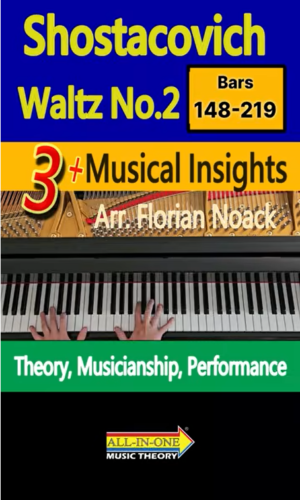
Learn a challenging passage from Shostakovich’s Waltz No. 2, in Florian Noack’s piano arrangement, with this step-by-step piano tutorial.
How Music Theory Helps You Learn Shostakovich Waltz No. 2
This tutorial explores how music theory can help us understand, practise and perform difficult piano passages. We look at chord inversions, hemiolas, appoggiaturas and harmonic direction, and how recognising these musical ideas can make a challenging passage easier to hear, understand and learn.
Practising Shostakovich Waltz No. 2 with Purpose
Understanding the harmony and rhythmic structure beneath the notes can help you practise more purposefully, rather than simply repeating a difficult passage. It can also help you hear where the music is going, identify important notes and phrases, and make more informed choices about technique and musical expression.
This is a practical example of how music theory and piano practice can work together. When we understand what is happening beneath the surface of a piece, challenging music can become less daunting — and more rewarding to learn and perform.
You may also like: Shostakovich Waltz No. 2 – Part 2
Explore More Music Theory for Pianists
For more practical music theory tutorials, piano analysis and resources for musicians, visit All-In-One Music Theory.
📘 All-In-One Music Theory books and resources
Blog: Chord Inversions Explained: Triads, Four-Part Chords and Figured Bass (Music Theory Guide)
← Back to Music Theory Video Tutorials